
Madhya Pradesh · Central India
Orchha
A capital nobody got around to demolishing
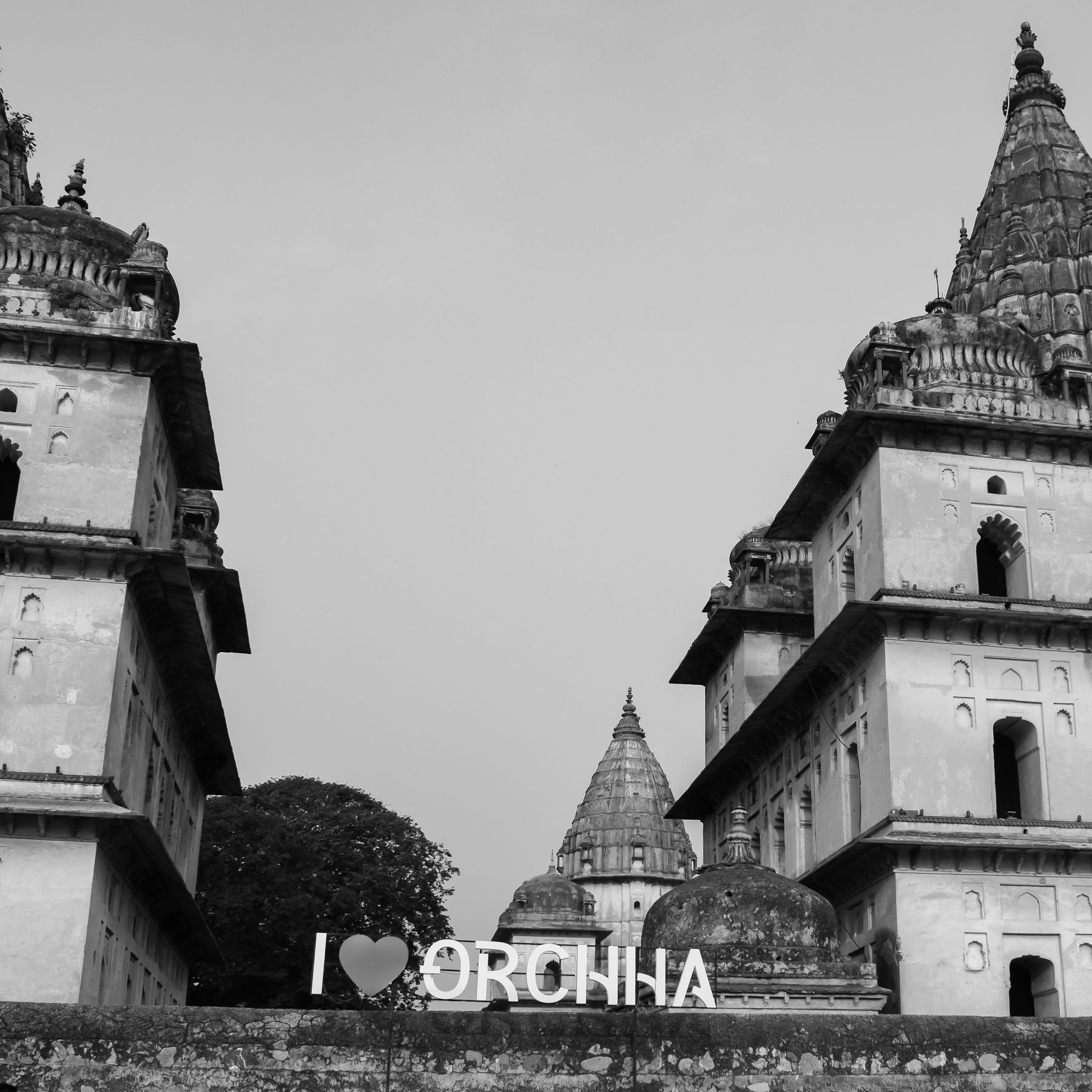
The chhatris on the Betwa
The city the Bundelas built and then left
Rudra Pratap Singh founded Orchha in 1531, and his family spent the next two centuries building on a bend of the Betwa river — Raja Mahal first, then Jahangir Mahal, put up for a Mughal emperor who is said to have stayed a single night. When the capital moved to Tikamgarh in 1783, nobody knocked any of it down.
So all of it is still standing: courtyards, cenotaphs, a fort you walk into past a man selling tea. Orchha is small enough to cross on foot in twenty minutes, which makes the scale of what the Bundelas built feel stranger rather than smaller.
The town where God is the king
Ram Raja Temple began life as a palace. The story goes that a Bundela queen carried an idol of Ram back from Ayodhya, set it down here overnight, and it would not be moved — so the palace became the temple, and Chaturbhuj next door, built to receive the idol, was left largely empty.
Ram is worshipped here as a reigning king rather than only a god: the state police mount a guard of honour and the aarti runs to a royal timetable. In the evenings the cenotaphs along the Betwa fill with returning birds and the sandstone goes the colour of the river.
The honest logistics
- Best monthsOctober to March. April to June is punishing, and the river runs best just after the monsoon.
- Getting thereJhansi is the railhead, 18 km away — Delhi to Jhansi is roughly four and a half hours by Shatabdi, then a short taxi.
- StayingA handful of heritage properties and river-facing camps; base here rather than day-tripping in from Jhansi.
- Days neededTwo nights. One is enough to see Orchha and not enough to feel it.
- Budget feelComfortable from ₹1,800/day; heritage riverside from ₹6,000/day.
What a Saint will tell you
Walk out to Laxmi Narayan temple at the far edge of town for the murals — Bundela battle scenes across the ceilings, and usually nobody else in the building. The Betwa's rapids are cold and gentle enough to raft in winter. Then go back into the palace complex late afternoon, once the coaches leave for Khajuraho; for an hour the courtyards are yours.
Being a good guest
Orchha is a working pilgrimage town before it is a heritage site — cover your shoulders around Ram Raja and leave your shoes where everyone else does. The Betwa is both drinking water and a cremation site; don't swim near the ghats, and carry your bottles out with you.
Where this path continues
Khajuraho lies 175 km east and pairs naturally — another set of temples the forest quietly kept. Or turn west towards Rajasthan if it was the palaces, not the river, that held you here.