
Sikkim · The Indian Himalaya
Gangtok
A ridge capital that bows to Kanchenjunga
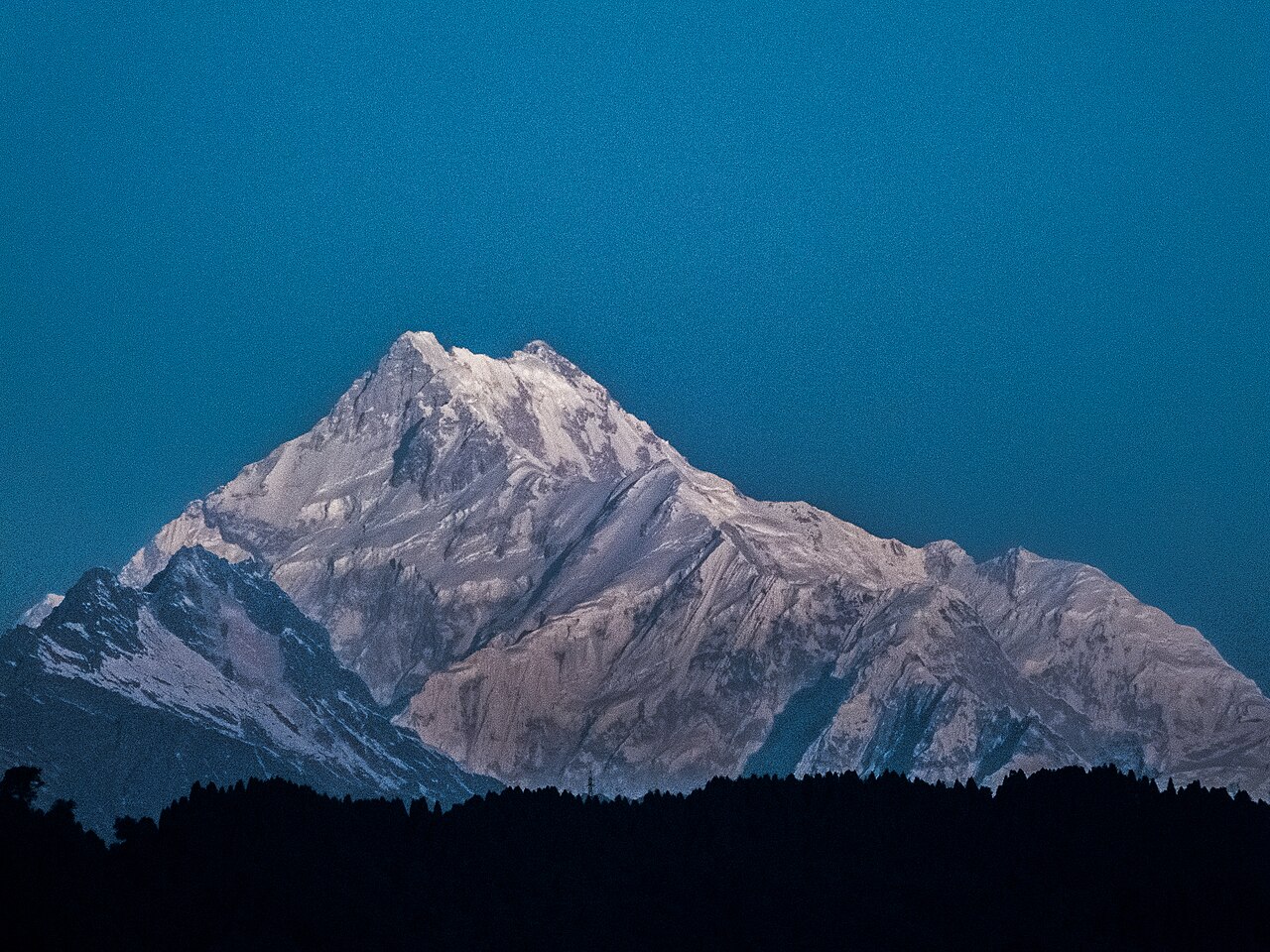
Kanchenjunga from Tibet Road, Gangtok · Photo: Thebrowniris, CC BY 3.0
A kingdom that joined late
Sikkim was a Buddhist kingdom for more than three centuries, ruled by the Namgyal Chogyals from 1642, and Gangtok became its capital only in 1894. It stayed a protectorate after 1947 and became India's twenty-second state in 1975 — recent enough that older residents remember the monarchy. The town grew along a ridge at about 1,650 metres, which is why every road here seems to go either steeply up or steeply down.
Everything faces Kanchenjunga. At 8,586 metres it is the world's third-highest mountain, and for Sikkim it is not scenery but a guardian deity; the Pang Lhabsol festival in late summer honours it, and climbing expeditions from the Sikkim side traditionally stop short of the true summit out of respect.
Three peoples, one long table
Gangtok is Lepcha, Bhutia and Nepali at once, and the calendar shows it: Losar in late winter, Saga Dawa in early summer with processions of scripture round the town, Dasain and Tihar in autumn. Rumtek, 24 km away, is the seat of the Karma Kagyu lineage in exile, rebuilt in the 1960s on the model of its Tibetan mother monastery; the Namgyal Institute of Tibetology, in a birch-wooded compound in town, holds one of the finest collections of Buddhist texts and icons outside Tibet.
The food is mountain food. Momos and thukpa are everywhere, but look for the Sikkimese dishes: gundruk, fermented leafy greens in soup; phagshapa, pork fat stewed with radish and dried chilli; sha phaley, meat-stuffed fried bread; sel roti, a ring of sweet rice batter fried for festivals. Chhurpi is hard cheese you chew for an hour, and chang, millet beer, is drunk warm through a bamboo straw.
The honest logistics
- Best monthsMarch to May for rhododendrons, October to December for the clearest views. The monsoon brings landslides; winter snow can close the high roads.
- Getting thereBagdogra (IXB) is the airport, around 125 km and four to five hours up the Teesta valley; New Jalpaiguri is the railhead. Pakyong airport, closer, has had no scheduled flights since 2024.
- PermitsForeign nationals need a free Sikkim permit, issued at entry points including Bagdogra and the Rangpo border. Tsomgo Lake needs a protected-area permit through a registered agent; Nathula is open to Indian nationals only, usually Wednesday to Sunday.
- Days neededFour days covers the town, Rumtek and a day at Tsomgo. Allow a buffer for the road.
- Budget feelComfortable from ₹3,000/day; the better hill hotels from ₹7,000/day.
Local cuisine & must-try dishes
Festivals & celebrations
What a Saint will tell you
Don't go to Nathula or Tsomgo on the day you arrive. You climb from 1,650 metres to over 4,000 in a single morning, and the headache that follows is the most common way visitors lose a day. Let your Saint or agent apply a day ahead, carry photo ID and passport pictures, and expect snow to cancel permits without warning. For Kanchenjunga, set an alarm: in October and November the peak is often clear at dawn from Tashi View Point and gone behind cloud by nine. MG Marg is best in the evening, when the town walks it slowly. The short ropeway over the city runs between Deorali and the Secretariat — pleasant, not essential.
Being a good guest
Sikkim took sustainability seriously long before it was fashionable — it became a fully organic farming state in 2016, and MG Marg is spit-free, smoke-free and litter-free by law. Carry a refillable bottle and take your waste out of the high-altitude areas. Walk clockwise around chortens and prayer wheels, ask before photographing monks or prayer halls, and keep your feet off any surface that holds a stupa.
Where this path continues
Gangtok and Darjeeling face the same mountain from two different ridges, a few hours apart by road. Darjeeling is older, more Victorian and built on tea; most travellers who love one find a reason to see the other.