
Tamil Nadu · South India
Chennai
Madras, still keeping its own time
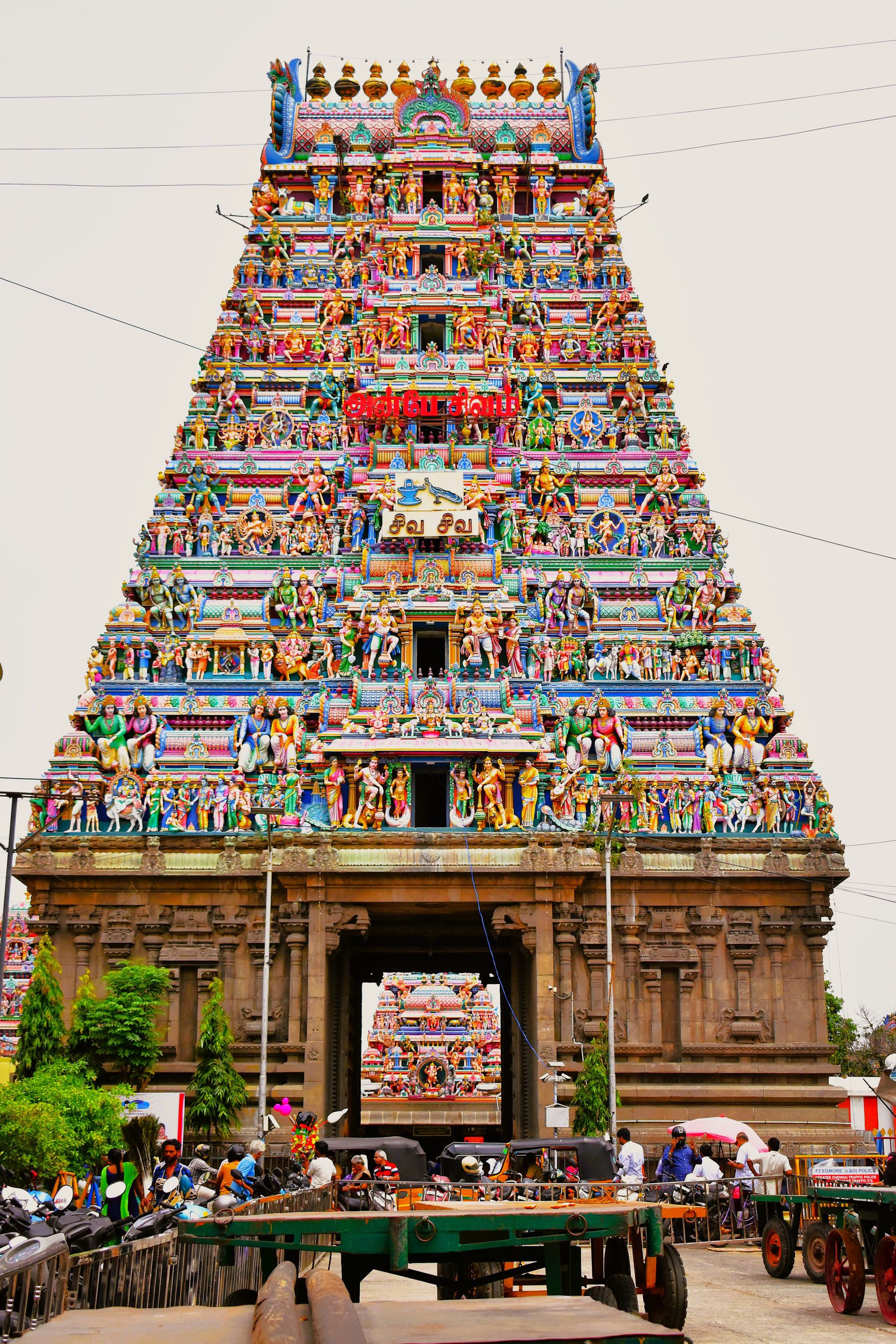
Kapaleeshwarar Temple, Mylapore
Two cities that never merged
Mylapore was a temple town, sung about in Tamil hymns, long before the English landed. In Triplicane next door, the Parthasarathy Temple — raised by the Pallavas in the eighth century for Krishna in his role as Arjuna's charioteer — is still the oldest structure in the city. Fort St George, finished in 1644, was the first thing they built in India and is still a working government office. The colonial city grew around the older one rather than over it, and you can feel the seam.
Chennai does not flatter visitors. It is hot, it is unhurried, it is uninterested in impressing anyone, and it holds onto its own music, language and cinema harder than any other Indian metro. Give it two days and it starts making sense.
A city that measures the year in music
The calendar's high point is Margazhi, the December–January season, when hundreds of Carnatic concerts run across the city's sabhas. Tickets are cheap or free, audiences keep tala with their hands, and the canteens behind the halls serve food people queue for whether or not they came for the music. Mylapore answers in March and April with Panguni Arubathimoovar, when bronze images of the sixty-three Nayanmar saints are carried in procession around the Kapaleeshwarar tank and the Mada streets hold most of the neighbourhood at once.
The rest of the year keeps smaller rhythms: filter coffee at seven, bells at Kapaleeshwarar, the whole city out on Marina Beach at dusk because the sea is where the air is. Meals arrive on banana leaves, eaten with the right hand, and second helpings are not a question.
The honest logistics
- Best monthsDecember to February — the music season and the only genuinely pleasant weather. Skip April to June.
- Getting thereChennai International (MAA) is about 20 km out with a Metro link into town; Central and Egmore stations connect the whole south.
- StayingMylapore for temple mornings and old Madras; Nungambakkam or T Nagar for central and convenient.
- Days neededTwo days for the city; three if you add Mahabalipuram down the coast.
- Budget feelComfortable from ₹2,500/day; hotel comfort from ₹6,000/day.
What a Saint will tell you
Start at Kapaleeshwarar by six, while the flower sellers are setting up and the tank is still cool. Eat at a mess rather than a restaurant — the difference is about ₹200 and nothing else. Marina is for walking, not swimming; the undertow is genuinely dangerous and no local goes in. And the northeast monsoon means October and November rain hard.
Being a good guest
These temples are in daily use. Non-Hindu visitors are usually welcome in the outer courtyards but not the inner shrine, and that line is not negotiable. Cover up, remove shoes, put the camera away during worship. Buy silk from weavers' cooperatives near Kanchipuram rather than an airport counter.
Where this path continues
Mahabalipuram is ninety minutes down the coast — the same Tamil stone-carving tradition, cut in the seventh century and still standing in the sea spray.